Vologda Research Center of the Russian Academy of Sciences
RuEn

On November 27–28, Vologda Research Center of the Russian Academy of Sciences hosted the 10th All-Russian Scientific and Practical Conference with International Participation "Strategy and Tactics of Socio-Economic Reforms: National Priorities and Projects," dedicated to the 35th anniversary of the Center. The event brought together leading scientists, politicians, representatives of civil society, and business, serving as a platform for the scientific search of mechanisms and the justification of strategies and tactics for implementing socio-economic reforms at the federal and regional levels, considering the achievement of Russia's national development goals and the application of modern theories. The conference featured the work of four thematic sections dedicated to the following issues: development of Russia's human potential in the context of achieving strategic national goals; study of strategic priorities for the economic development of territorial systems; development of Russia's agro-industrial complex. Additionally, an expert session was held, addressing the concept of noonomy as the basis for implementing national priorities, projects, and platforms.

The journal was founded in 1997. The Editor-in-Chief is Tamara V. Uskova, Doctor of Economic Sciences, Professor, and Honored Scientist of the Russian Federation. The Deputy Editors-in-Chief are Olga V. Tretyakova, Candidate of Philological Sciences, and Sergey A. Kozhevnikov, Candidate of Economic Sciences. The publication is assigned category K1 in the list of the Higher Attestation Commission and is included in the Unified State Register of Scientific Journals ("White List"). It publishes original research on the socio-economic and spatial development of territorial systems (country, region, municipality) in the context of escalating external and internal challenges. The special issue opens with an article devoted to the spatial development of socio-economic systems – one of the priority research areas of Vologda Research Center of the Russian Academy of Sciences, which has been a focus of the center's scientists throughout its historical development. The journal's pages examine issues of implementing spatial development strategy, the role of interregional cooperation in the spatial development of territories, the polarization of the country's spatial development, and problems of urban and rural area development.

The journal was founded in 2015. Its Editor-in-Chief is the Director of the Vologda Research Center of the Russian Academy of Sciences, Honored Scientist of the Russian Federation, Dr. of Economics A.A. Shabunova. The publication has been awarded the K2 category in the List of the Higher Attestation Commission (VAK). The journal's goal is to present to the wider public the fruits of scientific inquiry into social space from domestic and foreign sociology and related disciplines. This issue features articles addressing a broad range of societal development issues in historical, social, political, economic, and axiological contexts: specifics of employment and the realization of labor potential; a review of the evolution of artificial intelligence; results from an analysis of e-government implementation in Russia; problems of the commercialization of culture in Russia; and questions concerning the application of the theory of passionarity to contemporary Russia. The results of public opinion monitoring on police activities are also presented.

The monograph “Structural and Technological Drivers of a Region's Strategic Development” was published under the editorship of RAS Academician S.Yu. Glazyev and scientists from Vologda Research Center of the RAS: Corresponding Member V.A. Ilyin and Doctor of Sciences (Economics) A.A. Shabunova. The publication substantiates the strategic priorities for the advanced development of the Vologda Region. It identifies trends and limitations in the structural and technological transformation of the regional economy and outlines the contours of its prospective specialization. The monograph puts forward reasoned proposals for completing and developing regional segments of value chains through technological modernization and the establishment of new local production facilities within key cross-industry complexes. A long-term scenario-based forecast for the development of the region's production potential has been formulated, and an assessment of the macroeconomic effects of its implementation has been conducted using multipliers.

The journal was founded in 2008. The editor-in-chief is Corresponding Member of the Russian Academy of Sciences, Doctor of Economics, Professor Vladimir A. Ilyin. The publication is indexed in the databases Web of Science (ESCI), RSCI, Higher Attestation Commission of the Russian Federation (K1), White List (level 3). The journal presents research results in the field of socio-economic development of countries and regions. The issue opens with an article by the editor-in-chief, which continues a series of publications devoted to the analysis of expert opinions on the need and possibility of creating an official state ideology in the country. The journal has published articles by Russian and foreign scientists covering a wide range of issues of scientific, technological and innovative development of regions, problems of budget planning, transformative management of territories, and a number of issues of social development of society. The results of monitoring public opinion on the state of Russian society are presented.

The monograph presents the results of comprehensive research conducted by scholars from Vologda Research Center of the Russian Academy of Sciences (VolRC RAS) and Jiangxi Academy of Social Sciences of the People's Republic of China. The authors analyze the state and development trends of the tourism industry in Russia and China, substantiate a methodological approach for assessing the role of tourism in a national economy, and review successful practices of Russian-Chinese cooperation in the tourism sector. Particular attention is paid to the development of new tourism formats, taking into account the industry's digital transformation. Conclusions are drawn regarding the prospects for further bilateral cooperation in tourism.
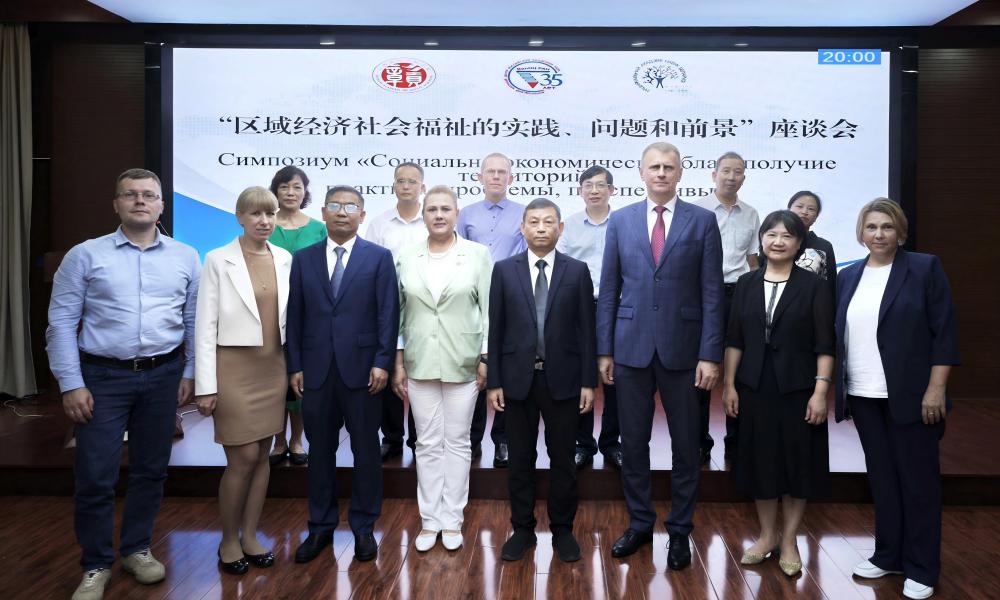
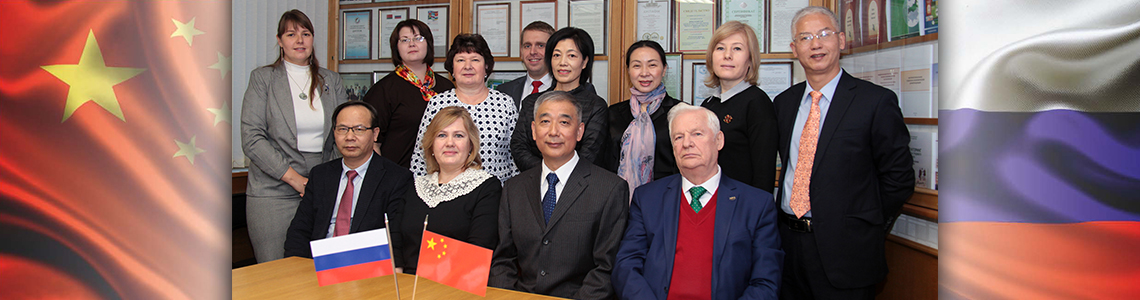
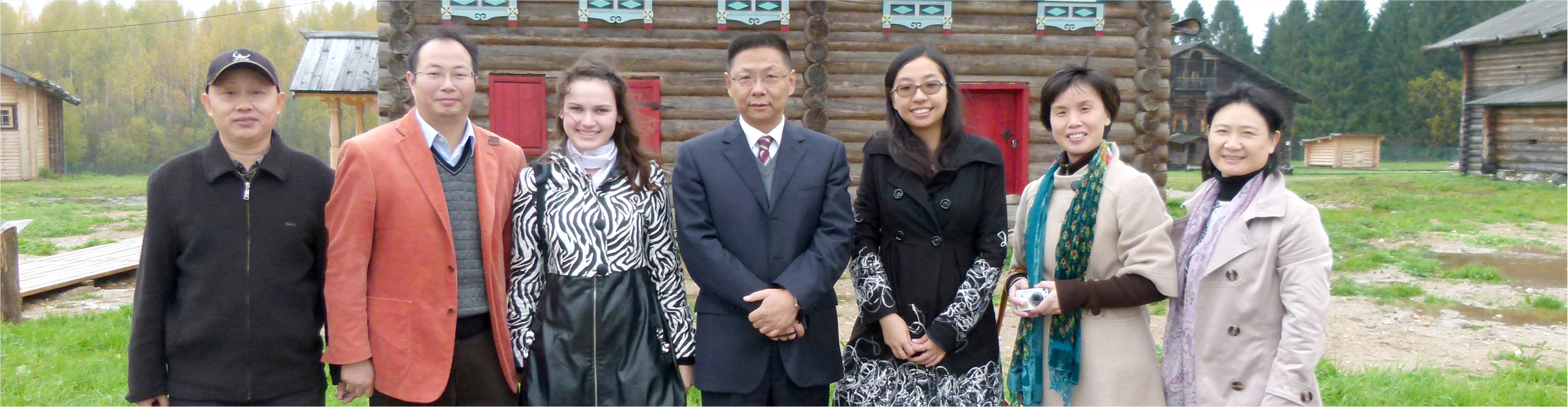
A delegation from Vologda Research Center of the Russian Academy of Sciences, headed by its Director, Dr. of Econ. Sci. Aleksandra Shabunova, visited Jiangxi Academy of Social Sciences (Nanchang, People's Republic of China). The visit took place within the framework of long-term cooperation (since 2011) between VolRC RAS and Jiangxi Academy of Social Sciences.
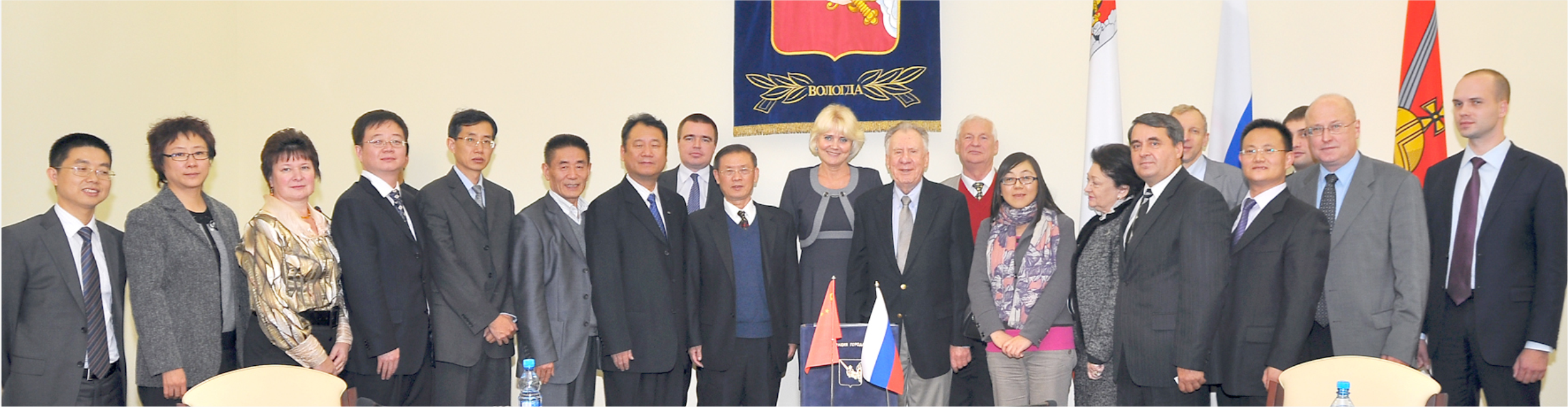
The scientists presented VolRC RAS research findings at the international academic symposium "Socio-Economic Well-Being of Territories: Practice, Problems, Prospects," which was organized by Jiangxi Academy of Social Sciences and Vologda Research Center of the Russian Academy of Sciences with the support of the Russian Academy of Sciences' Department of Social Sciences on September 3, 2025. The event was attended by representatives from three countries: China, Russia, and Belarus. The symposium coincided with the celebration of the 80th anniversary of the victory over militarist Japan and the end of the Second World War.
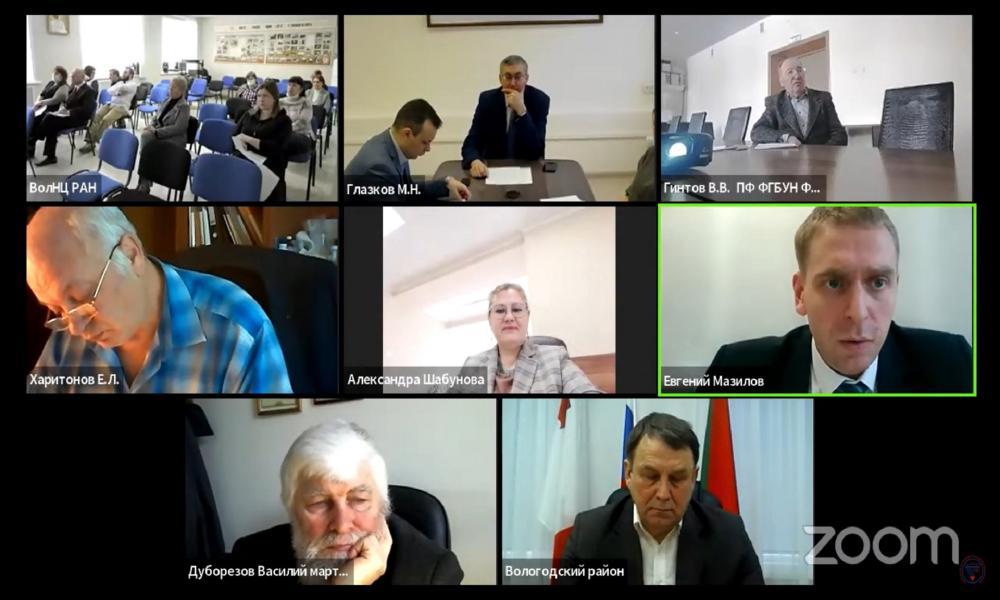
On February 21-25, 2022, an online conference with international participation Agricultural science at the present stage: state, problems, and prospects was held at the Vologda Research Center of the RAS as part of the VI Emelyanovsky Readings. It brought together 200 Russian and foreign scientists, heads of authorities, and representatives of agricultural enterprises for discussion scientific innovation solving agricultural problems.
ASEAN Centre in MGIMO University together with School of Applied Economics and Commerce (MGIMO), Institute of World Ocean (FEFU), Model United Nations of the Russian Far East, Russia-ASEAN Business Council, ASEAN Moscow Committee has announced winners of an Essay and Video Contest dedicated to the 25th Anniversary of Russia-ASEAN Dialogue Partnership and the 30th Anniversary of Their Bilateral Relations. The theme was Green and Blue Economy in ASEAN-Russia Relations: Perspectives, Projects, Problems.
Vologda scientists study the problems of ensuring balanced spatial development of the northern regions of Russia in context of solving strategic tasks of the country development.
V BRICS International School was organized by the Russian National Committee on BRICS Research from November 29 to December 3, 2021 in online format. Upon successfull completion of the programme, participants received certificates, among them is our colleague Nikolai Yakushev.
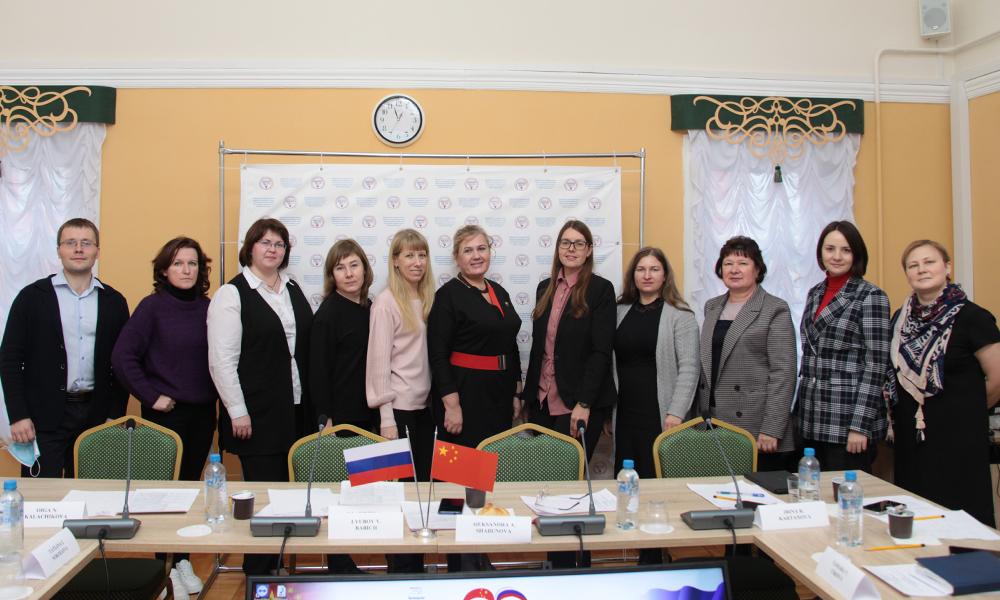
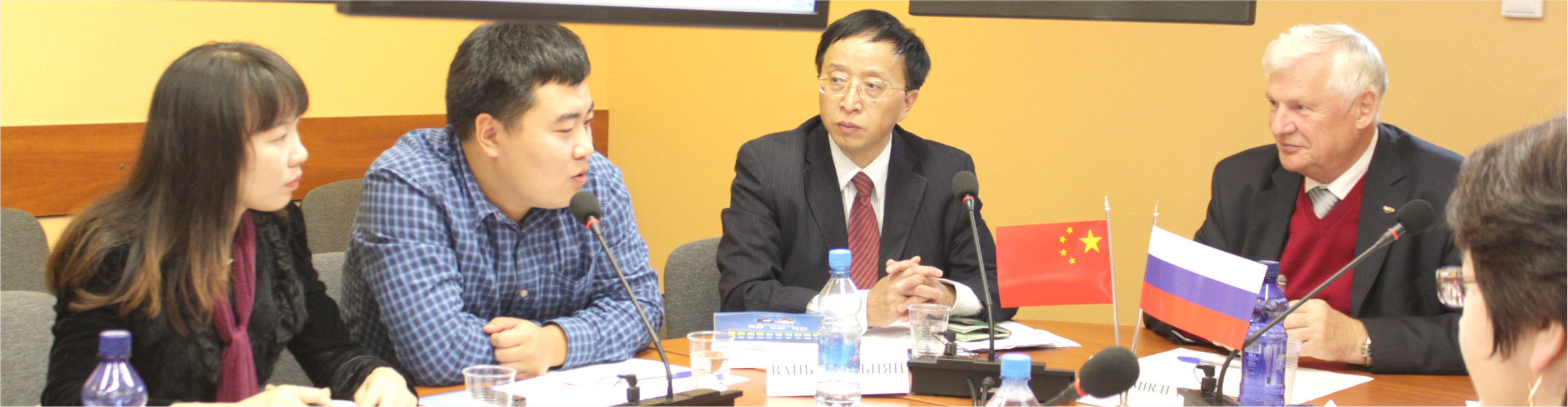
October 26, 2021. The Russian-Chinese conference Problems of and Opportunities for the Development of Domestic Markets and Domestic Consumption of Russia and China» organized by the Vologda Research Center of the Russian Academy of Sciences focused on key issues of the development of the regions of the two countries. The participants of the conference shared experiences on tackling the most pressing economic and social problems.
“Social capital: sources, costs, and investments” is an interview article of a correspondent of the portal “Scientific Russia” with Leading Researcher of the Laboratory of economic and sociological research of VolRC RAS, Candidate of Sciences (Philosophy) Tat’yana A. Guzhavina.

“Indicators for quality of work life” is an interview article of a correspondent of the portal “Scientific Russia” with Leading Researcher, Head of the Laboratory for the Studies of Labor Potential Development Issues of the Vologda Research Center of the Russian Academy of Sciences, Candidate of Sciences (Economics) Galina V. Leonidova.
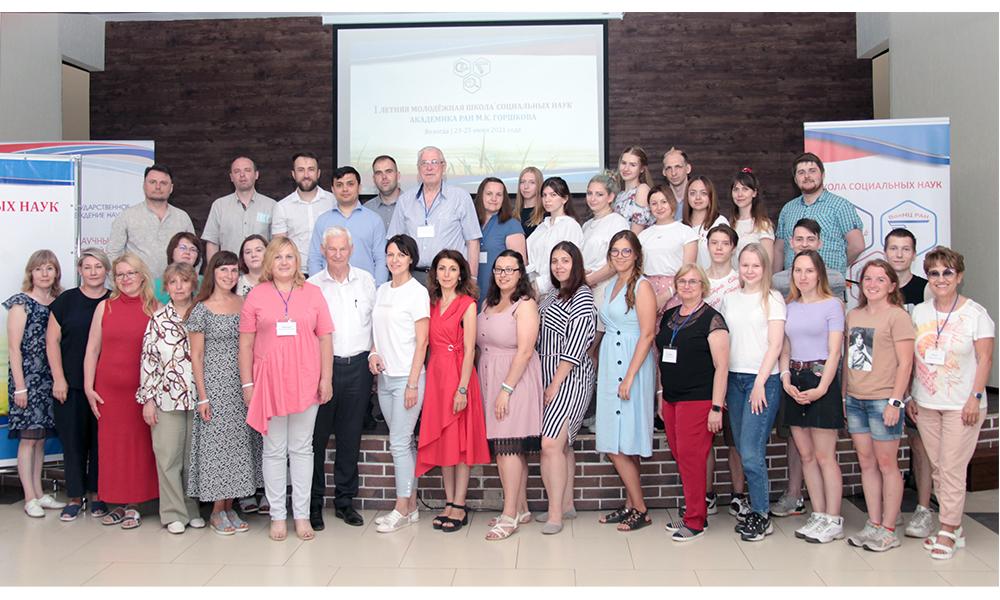
On June 23–25, 2021, on the eve of celebration of the 300th anniversary of the Russian Academy of Sciences, within the framework of events dedicated to the Year of Science and Technology, there was held the 1st Summer Youth School of Social Sciences of the RAS Academician M.K. Gorshkova “Problems of Social Inequality and Social Adaptation”, organized by the Vologda Research Center of RAS and the Federal Center of Theoretical and Applied Sociology of RAS, supported by the Department of Social Sciences of RAS, the Ministry of Science and Higher Education of the Russian Federation, the Government of the Vologda Oblast and the Autonomous Non-Profit Educational Organization “Vologda House of Science”.